If you listen to podcasts or watch YouTube tech channels, you have heard the ads.
“Hackers are watching you! Your data is naked! If you don’t buy our VPN with Military Grade Encryption right now, your bank account will be stolen!”
The marketing is terrifying. It makes you feel like browsing the internet without a VPN is like walking down a dark alley with cash taped to your forehead.
So, like many people, I subscribed. I paid $12 a month for “peace of mind.”
But after analyzing how the modern internet actually works, I realized something shocking: For 95% of users, a paid VPN is a complete waste of money.
Here is the technical reality that the VPN companies don’t want you to know.
1. The “HTTPS” Revolution (Why Hackers Can’t See You)
VPN ads often claim: “Without a VPN, hackers at the coffee shop can read your credit card number.”
Ten years ago, this was true. Today, it is false.
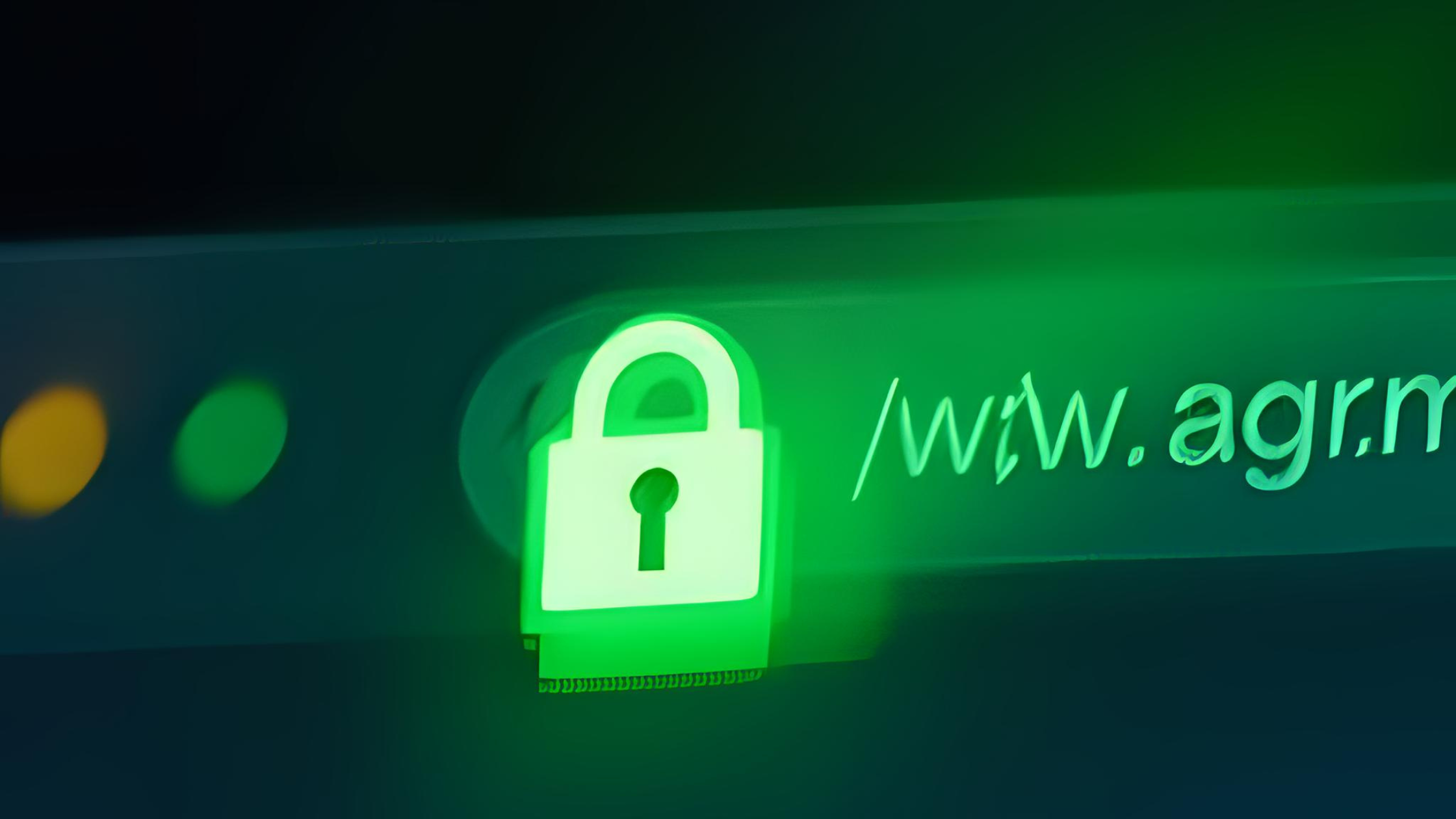
Look at the address bar of your browser right now. You see a little Padlock icon and the letters HTTPS. This stands for Hypertext Transfer Protocol Secure.
Every major website (Amazon, Gmail, Netflix, your Bank) uses HTTPS. This means the connection between your laptop and the website is already encrypted.
-
If a hacker at Starbucks intercepts your Wi-Fi signal, they can see that you are visiting “BankOfAmerica.com.”
-
BUT, they cannot see your password, your balance, or what buttons you are clicking. It is all scrambled code.
You don’t need to pay $12/month for encryption. You already get it for free from your browser.
2. The “Privacy” Myth (Who Do You Trust?)
VPNs promise to hide your data from your Internet Service Provider (ISP) like Comcast or AT&T. They say: “Don’t let your ISP sell your data! Give it to us instead!”
Think about that logic. You are taking your data away from a regulated public company (your ISP) and giving it to an unregulated private company (the VPN) often based in Panama or the British Virgin Islands.
History has shown that many “No Logs” VPNs actually do keep logs. Some free VPNs even sell your data to advertisers—the exact thing they promised not to do.
You aren’t buying privacy. You are just changing who gets to see your traffic.
3. When is a VPN Actually a “Smart Price”?
I am not saying VPNs are useless. I am saying they are Tools, not Security Blankets. You should only pay for a VPN if you have a specific “Use Case.”
Use Case A: Bypassing Geo-Blocking (The Real Value)
-
Scenario: You live in the UK, but you want to watch the US library of Netflix or Hulu.
-
Verdict: BUY IT. A VPN is the only way to “teleport” your computer. In this case, you are paying for entertainment, not security.
Use Case B: Censorship Evasion
-
Scenario: You live in a country that blocks Twitter, WhatsApp, or Google (like China or Iran).
-
Verdict: BUY IT. A VPN is essential for basic communication here.
Use Case C: Torrenting / P2P
-
Scenario: You download files via BitTorrent and want to hide your IP address to avoid copyright letters.
-
Verdict: BUY IT. This is a valid privacy tool for this specific activity.
4. The Speed Tax
There is another cost to VPNs besides the monthly fee: Speed.
When you use a VPN, your data has to travel to the VPN server (maybe in another country) before it goes to the website.
-
Without VPN: Ping 10ms | Speed 300 Mbps.
-
With VPN: Ping 50ms | Speed 150 Mbps.
You are paying money to make your internet slower. If you are a gamer or you do video calls, a VPN will often cause lag and buffering.
5. The Free Alternative (Cloudflare WARP)
If you still feel paranoid about public Wi-Fi and just want a simple layer of protection without paying $100/year, use Cloudflare WARP (1.1.1.1).
-
Cost: Free.
-
What it does: It encrypts your DNS queries (so your ISP can’t easily see what sites you visit) but it doesn’t slow down your internet like a heavy VPN.
Conclusion: Don’t Buy Fear
The VPN industry is built on selling fear to non-technical people. They want you to believe the internet is broken so they can sell you the fix.
The “Smart Price” move:
-
Check for the HTTPS Padlock on your browser.
-
If you see it, your credit card is safe.
-
Cancel your VPN subscription unless you are actively using it to watch foreign Netflix.
Save that $100 a year. Your browser is smarter than the ads tell you.