
If you walk into any electronics store or browse Amazon right now, you will see them: shiny new laptops selling for $299 or $349.
They look great in the photos. They have slim bezels, decent-sized screens, and the marketing promises they are “Perfect for Students” or “Great for Home Office.”
I used to fall for this trap. I thought I was being smart by saving money. But after buying three “cheap” laptops in five years, I realized the hard truth:
A $300 laptop is the most expensive computer you will ever own.
Here is the economic breakdown of why I stopped buying “consumer” budget laptops and what I buy instead.
1. The “Hinge” Problem (Physical Depreciation)
The biggest difference between a $300 consumer laptop and a business-class laptop isn’t just the speed—it’s the plastic.
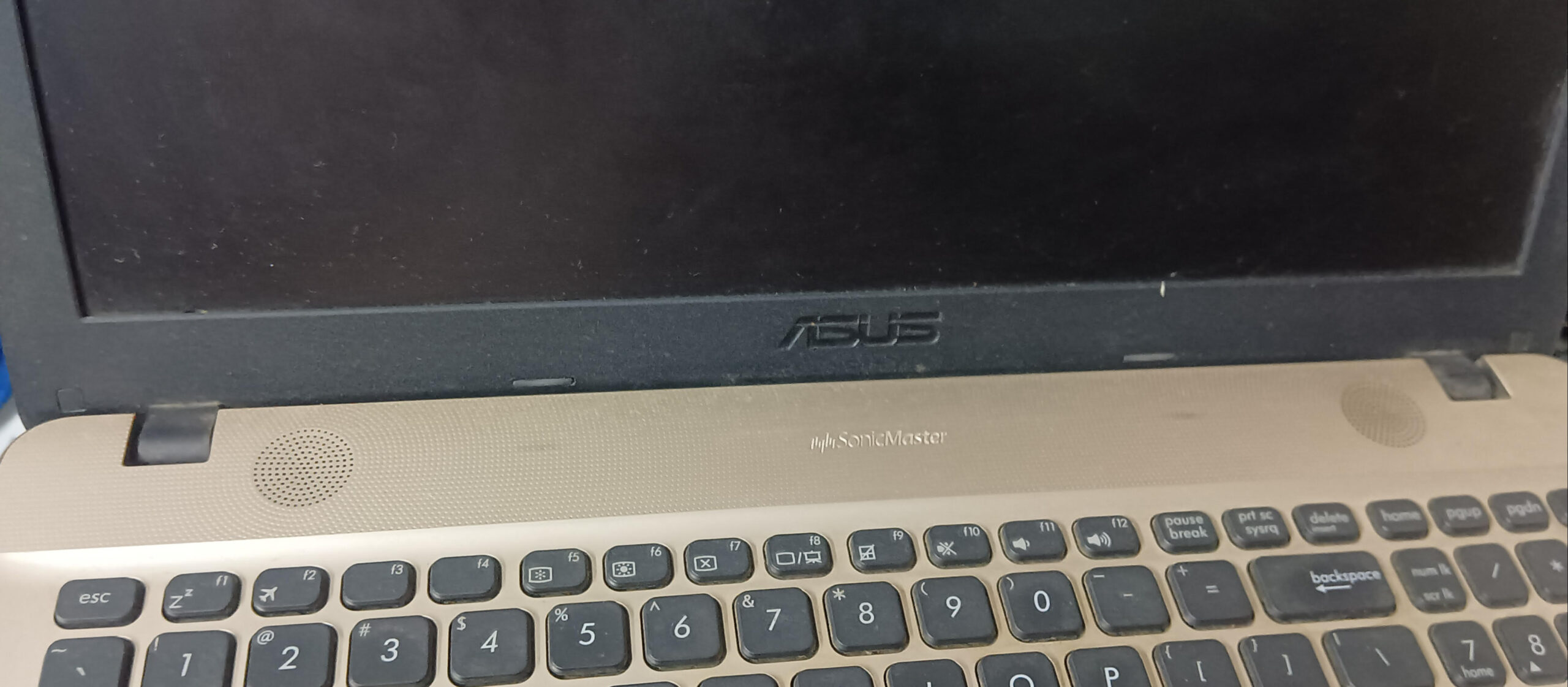
Budget laptops are designed with a specific “Point of Failure”: The Hinges.
-
The Design: In cheap models, the metal hinge is often screwed directly into weak plastic.
-
The Result: After about 12-18 months of opening and closing the lid, the plastic cracks. Once the hinge fails, the screen starts to flicker, and the laptop becomes unusable.
I call this the “18-Month Timer.” If you buy a $300 laptop, you are essentially renting it for $16 per month because you will have to replace it in a year and a half.
2. The “Time Tax” (Performance Economics)
Have you ever calculated how much your patience is worth?
Cheap laptops often use processors like Intel Celeron, Pentium, or entry-level AMD Athlon chips. They often come with 4GB of RAM soldered to the motherboard (meaning you can never upgrade it).
I did a simple test:
-
Task: Open Chrome, load Gmail, and open a heavy Spreadsheet.
-
Good Laptop: 2 seconds.
-
Budget Laptop: 12 seconds (plus lagging while scrolling).
If you use your laptop for 2 hours a day, those little lags add up. If you waste just 10 minutes a day waiting for your computer to unfreeze, that is 60 hours a year wasted.
If you value your time at even $10/hour, that cheap laptop is costing you $600 a year in lost productivity.
3. The Math: “Disposable” vs. “Durable”
Let’s look at the 5-Year Cost of Ownership. This is the calculation that changed my mind.
Scenario A: The “Cheap” Route You buy a $300 laptop.
-
Year 1: It works fine.
-
Year 2: The hinge cracks or it gets too slow for modern apps. You buy another $300 laptop.
-
Year 4: The battery dies and can’t be replaced easily. You buy a third $300 laptop.
-
Total Cost: $900 (and a lot of frustration).
Scenario B: The “Smart” Route (Used Business Class) Instead of buying a new cheap laptop, you buy a refurbished Business Laptop (like a Dell Latitude, Lenovo ThinkPad, or HP EliteBook) that is 2-3 years old.
-
Price: $350 – $400.
-
Build: Magnesium alloy chassis, steel hinges, replaceable battery.
-
Lifespan: These machines are built to last 5-7 years in corporate environments.
-
Total Cost: $400.
The Result: The “Used” laptop saves you $500 cash and hundreds of hours of frustration.
4. The “Soldered” Trap (Right to Repair)
Another reason I avoid budget laptops is Upgradability.
-
Budget Laptops: To make them thin and cheap, manufacturers solder the RAM and Wifi card to the board. If 4GB becomes too slow (which it already is), you cannot fix it. You have to throw the whole laptop away.
-
Business Laptops: Even older ones allow you to pop open the back and add more RAM or swap the SSD. This allows you to keep the machine running fast for years.
Conclusion: What is the “Smart Price”?
The Smart Price isn’t the lowest number on the price tag. It is the lowest Cost Per Year.
If you have $300 to spend, do not buy a brand-new plastic laptop from the “Deals” section. Go to eBay, Amazon Renewed, or a local refurbisher. Look for a Lenovo ThinkPad T-Series or a Dell Latitude 7000 series.
You will get a better keyboard, a better screen, and a device that won’t break when you close the lid.